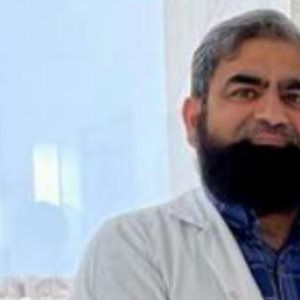
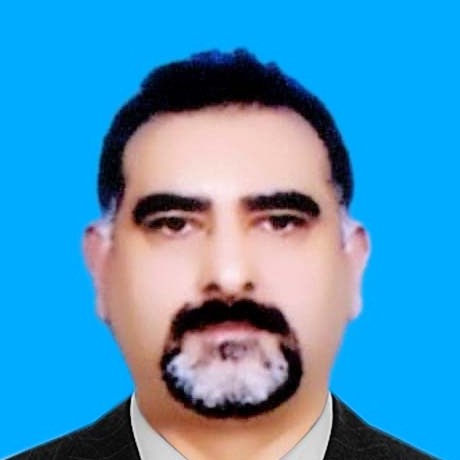
I had the privilege of being taught Biology by Mr Daud Abdul Samad from 1986 to 1988. Almost four decades later, what remains with me is not a particular textbook lesson, but the way he made us experience science.
I remember constructing a life-size three-dimensional model of DNA, painstakingly dissecting and mounting an earthworm for display, and spending time outdoors learning to recognise the botanical species growing around our college. Perhaps most memorably, our Biology Society travelled with him for a week to the northern areas of Pakistan—taking learning well beyond the classroom.
Looking back now, I realise how unusual that approach was for its time. Biology was not simply something to memorise for an examination. We were encouraged to observe, handle, dissect, construct, explore and ask questions. He made the natural world itself part of the laboratory.
I subsequently became a doctor, specialising in anaesthesiology and intensive care medicine, and have spent much of my career in complex transplant anaesthesia, patient safety, medical education and clinical quality. I also teach medical students and young doctors. Curiosity and learning by doing have remained central to the way I approach both medicine and teaching.
It is striking that, nearly forty years later, these are the memories of school Biology that have survived. I think that says something important about a teacher: we may forget many of the facts we were taught, but we remember the person who taught us how to discover them.